Spices: Bringing It All Together, From Flavor to Feeling
Spice Series, post 8 of 8
Growing up cooking and eating Mexican food, I always knew there was a difference between traditional Mexican spices and what most people had in their cabinets.
I could not fully explain it at the time, but I could taste it.
That difference is what made those dishes feel authentic. And over time, it became clear that authenticity does not start with technique.
It starts with the right ingredients. More specifically, the right spices from the right place.
This Series Was Never Just About Spices
It was about understanding.
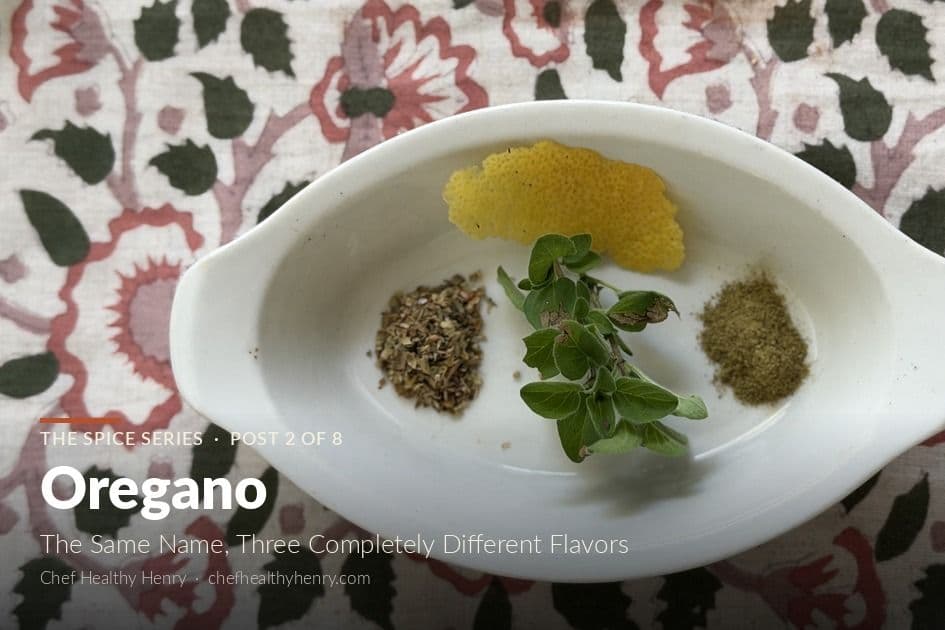
Understanding that oregano is not just oregano. That cumin can change depending on whether it is whole, ground, toasted, or blended. That one basil can be soft and delicate while another stands up to heat and brings an entirely different aroma. That paprika can create gentle warmth, deep richness, or unmistakable smoke. That cinnamon can quietly support a savory dish or stand forward in something sweet. And that chiles can change far more than heat. They can change color, aroma, texture, sweetness, depth, and the entire direction of a dish.
Those differences matter because they help define the food.
They carry identity. They carry intention.
And when you start to see that, something shifts. You stop cooking by habit and start cooking with awareness.
Cooking With the Right Spices Is About Respect
Cooking with the right spices for the right cuisine is not about being rigid.
It is about respect.
Respect for where the dish comes from. Respect for the ingredients that helped shape it. And respect for the experience you are trying to create on the plate.
Because when those elements align, the food does not just taste better. It tastes connected to where it came from.
That is what authenticity means to me. It does not mean every dish has to follow one exact formula. It means understanding the culinary language you are cooking in.
If you are building Mexican flavors, Mexican oregano gives you something Italian oregano cannot. If you want the warmth of an Indian dish, the way cumin is bloomed and layered with other spices matters. If you are making a Korean dish, gochugaru brings something completely different from a generic red pepper flake.
These are not minor details. They are part of what makes the food feel right.
The Right Spices Can Do More With Less
One of the biggest lessons from this series is that authenticity does not require a cabinet full of ingredients.
Sometimes just two or three spices from the same culinary family can completely change a dish. That is because flavors from the same region already know how to work together.
Mexican oregano with chiles and cumin. Greek oregano with lemon and thyme. Cumin with coriander and cinnamon in Middle Eastern cooking. Basil with oregano and garlic in Italian cooking.
You do not need more. You need the right combination.
That is where understanding becomes useful.
If You Have Made It This Far, You Have Already Started
If this series has changed the way you look at your spice rack, even a little, then you are already there.
You have started to notice things you may have overlooked before. Not just the name of the spice, but the variety. Not just how much to use, but how it should be handled. Not just whether something is spicy, but what kind of flavor and texture it brings.
Once you start seeing those differences, you begin making different choices. And those choices are what build confidence in the kitchen.
What This Looks Like in The Protein Flip™ Cookbook
That same way of thinking runs through the Protein Flip™ Cookbook.
Not just recipes, but an approach to building meals with intention. Meals that feel balanced, satisfying, and complete. And because flavor is such an important part of that, I included a simple spice-by-region guide as a quick reference.
It gives you a starting point for how flavors group together across different cuisines. So when you want a dish to feel Mexican, Italian, Greek, Middle Eastern, Indian, or Korean, you have a foundation for choosing spices that naturally belong together.
It is not about memorizing combinations. It is about recognizing the culinary family behind a dish and building from there. Once you understand those patterns, you can take simple ingredients and give them a real sense of place.
Get your copy of the Protein Flip™ Cookbook.
From My Grandmother's Kitchen to Yours
When I think back to the food I grew up with, so much of what made it memorable came down to those details.
The smell. The spices. The way certain flavors immediately told me what kind of food was coming before I even sat down to eat.
I may not have understood the reasons then. But I understood the feeling.
And that is still what I am chasing in the kitchen today. Food that feels connected. Food that respects where it comes from. Food that tastes intentional.
Because when you cook with the right flavors in the right way, you are doing more than seasoning a dish.
You are telling its story.
Balanced Protein. Better Living. Healthier Planet.
Keep reading