Around the World in a Spice Rack
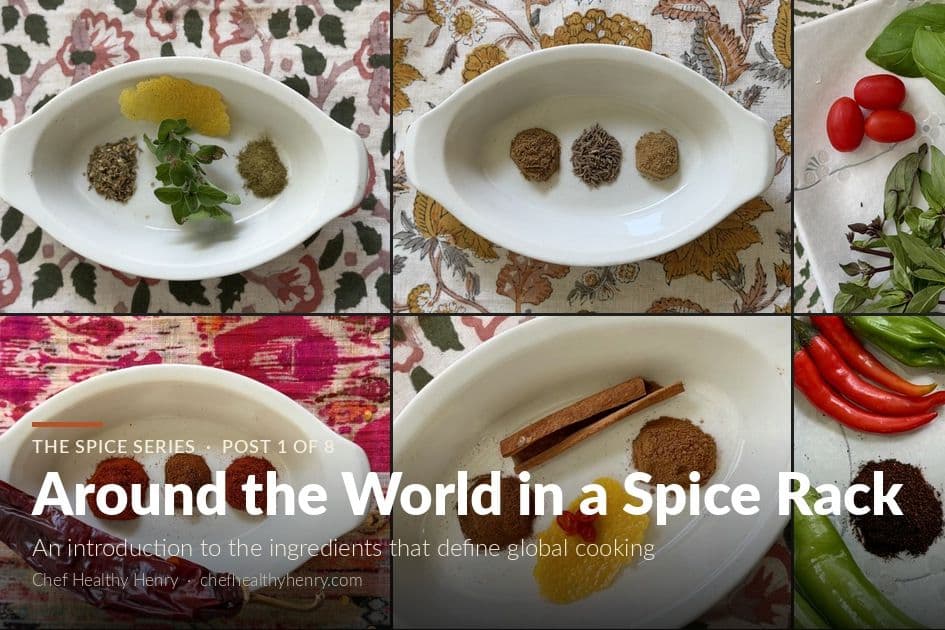
Spice Series, post 1 of 8
When you open your spice drawer, you are holding a passport to the world.
One pinch of cumin can take you to Morocco. A dash of turmeric might transport you to India. And that oregano sitting in the back of your cabinet? Depending on the variety, it could be Greek, Italian, or Mexican.
And trust me, they are not the same.
As a chef and culinary coach, I have always believed spices do more than flavor our food. They carry culture, history, and identity. They tell the story of where a dish comes from and how it is meant to be experienced.
That is what this series is about.
Flavor Is Not Universal. It Is Cultural.
This is not just about spices. It is about understanding flavor.
Because one of the most important things I have learned over the years is this: flavor is not universal. It is cultural.
The Hungarian paprika that gives depth to a goulash is not the same as the smoked pimentón that anchors a Spanish preparation. The oregano in a Greek salad brings a completely different profile than what you would expect in an Italian marinara.
And those differences go beyond taste.
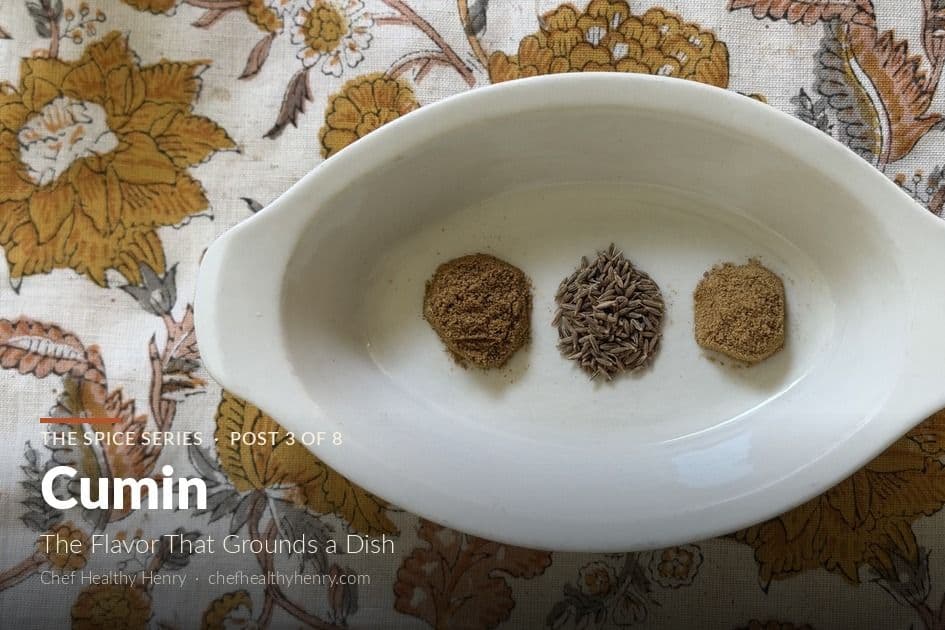
A fresh Thai basil leaf does not have the same texture, aroma, or ability to stand up to heat as Italian sweet basil. Whole cumin seeds toasted in a pan create a different experience than ground cumin blended into a sauce. A coarse Korean chile flake does not behave the same way as a finely ground Indian chile powder.
The form of an ingredient matters. The way it is cooked matters. And where it comes from matters.
These differences may seem small, but they are part of what defines a dish and gives it its identity. Understanding them is what turns cooking from simply following instructions into understanding why a dish tastes the way it does.
Fresh vs Dried: The First Shift
Before we dive into individual spices and herbs, there is one simple concept that can immediately change the way you cook.
Fresh and dried herbs are not interchangeable.
They may come from the same plant, but they can play completely different roles.
Fresh herbs bring brightness, aroma, color, and sometimes texture. They are often added toward the end of cooking, allowing those qualities to remain present in the finished dish. Dried herbs are more concentrated and grounded. They can stand up to longer cooking and build flavor as a dish develops.
Neither is better. They simply serve different purposes.
A useful starting point: 1 tablespoon fresh = approximately 1 teaspoon dried.
But that is only a measurement conversion. It does not mean one will create exactly the same experience as the other. Fresh basil torn over a finished dish brings something dried basil simply cannot. Dried oregano simmered into a sauce can provide a concentrated depth that fresh oregano may not.
That is why throughout this series, we will look beyond simply asking how much to use. We will ask what we want the ingredient to actually do.
What We Will Explore Together
Through this series, we will explore both the spices themselves and the cultures that shaped the way they are used. Each post will take us deeper into regional culinary identity, showing how ingredients, technique, and tradition come together on the plate.
Along the way, we will cover where each spice or herb comes from and how it is traditionally used, how similar spices and herbs differ depending on region, how those differences affect flavor, aroma, texture, color, and heat, how form matters from fresh and dried to whole, ground, flaked, toasted, or bloomed in fat, when and how to use each version in your own cooking, how choosing the right regional ingredient helps keep a dish connected to the cuisine it comes from, and flavor pairings and simple ways to bring global influence into your kitchen.
Because authenticity is not necessarily about using more ingredients. Sometimes it is about choosing the right ones.
Beyond Following Recipes
This is about building real confidence in the kitchen.
The kind that lets you look at a recipe calling for oregano and ask, which oregano? The kind that lets you see “chili powder” and understand that Kashmiri chile, Mexican ancho, Korean gochugaru, and Thai bird's eye are not simply different levels of heat. They bring different flavors, aromas, textures, colors, and cultural identities to the food.
Once you understand those differences, recipes begin to make more sense. You are not just adding ingredients because the directions tell you to. You understand what each one is contributing and why it belongs.
That is when you move beyond simply following recipes. You start cooking with intention.
Where We Start
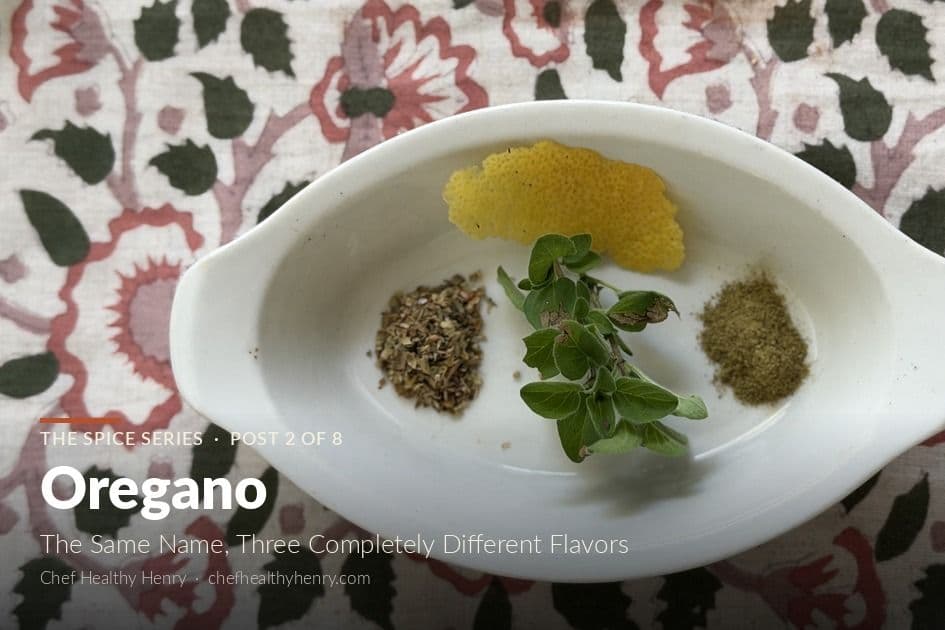
We are starting with oregano.
It is familiar. It is probably already in your kitchen. And it is the perfect example of how something that seems incredibly simple can tell three very different stories depending on whether it is Greek, Italian, or Mexican.
I promise, you will never look at that dried green bottle the same way again.
So whether you are a home cook, a spice enthusiast, or someone ready to cook with more intention, you are in the right place.
Let us explore the world through flavor, one spice and one plate at a time.
Balanced Protein. Better Living. Healthier Planet.
Keep reading