Oregano: The Same Name, Three Completely Different Flavors
Spice Series, post 2 of 8
Oregano is one of the most familiar ingredients in your kitchen.
It's the one you reach for without thinking. A quick pinch into a sauce, a sprinkle over vegetables, something that just feels right.
But here's where things start to change.
Oregano is not one flavor. It's not even one plant. And once you understand that, everything about how you use it shifts.
Same Name, Different Story
What we call oregano depends entirely on where it comes from. Different regions grow different varieties, each with its own personality, strength, aroma, and role in a dish.
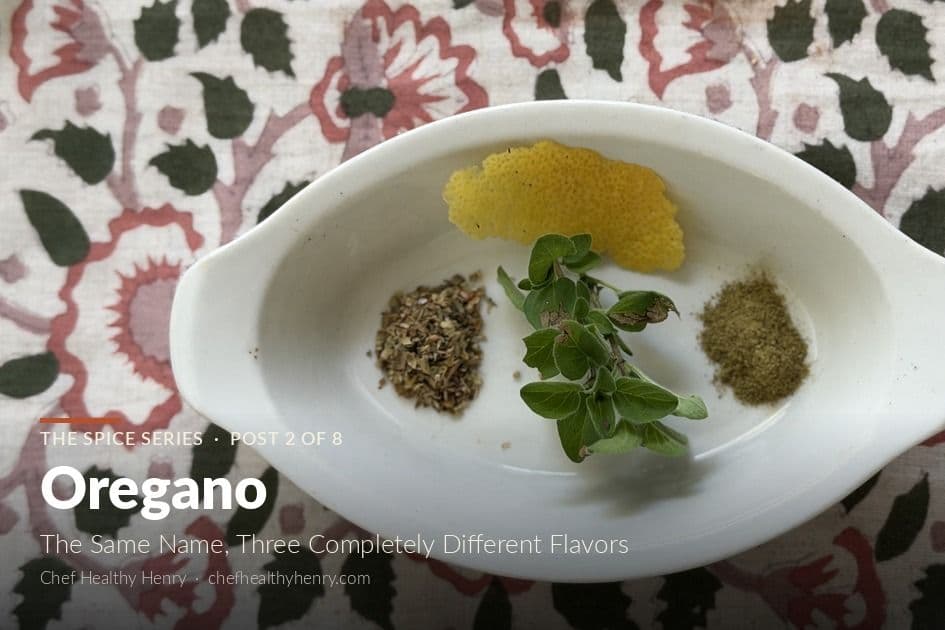
The three that matter most are Greek, Italian, and Mexican oregano. And they are not interchangeable.
Greek Oregano
Bold, earthy, slightly bitter, and assertive.
Greek oregano has the kind of flavor that holds its ground. It stands up to heat and carries through roasted dishes, grilled proteins, and simple preparations built on olive oil and lemon. It also has a dry, almost rugged quality that works beautifully with the clean flavors of Mediterranean cooking. Crumble dried Greek oregano between your fingers before adding it and the aroma becomes even more pronounced.
Think grilled chicken with lemon and olive oil, roasted potatoes, feta and tomatoes, or a simple Greek salad. The oregano is not hiding behind those ingredients. It is part of what tells you where the dish belongs.
Italian Oregano
Softer, rounder, and more subtle.
Italian oregano settles into a dish rather than announcing itself. That is exactly why it works so well with tomatoes, garlic, olive oil, and other herbs. In a long-simmered tomato sauce, you do not want to identify the oregano in every bite. You want it woven into the sauce, adding herbal depth while letting the tomato stay forward.
This is the oregano most people grew up with, even if they never knew they were using it.
Mexican Oregano
This is where things shift completely.
Mexican oregano comes from a different plant family. Its flavor is brighter, more citrusy, lightly floral, and slightly peppery. That brightness is especially important alongside dried chiles, beans, tomatoes, and slow-cooked meats. Where Greek oregano makes a dish feel earthy and Mediterranean, Mexican oregano lifts rich chile-based flavors and keeps them from feeling heavy.
Crushed over pozole, folded into an adobo, or stirred into a salsa, it immediately points the dish in a different direction. This is not a substitute for the other varieties. It is its own ingredient entirely.
What You Experience on the Plate
Here is an easy way to understand the difference.
Imagine seasoning the same grilled tomato three different ways.
Greek oregano makes that tomato feel more savory, earthy, and Mediterranean, especially alongside olive oil and a little lemon.
Italian oregano settles in more gently. The tomato's natural sweetness stays forward while the oregano adds a familiar herbal background.
Mexican oregano brings a brighter, slightly citrusy edge. That same tomato suddenly feels more at home alongside chiles, beans, lime, or grilled meat.
The tomato has not changed. The oregano has. And with it, the cultural direction of the entire bite changes.
Why This Changes Your Cooking
If you have ever followed a recipe closely and felt like something was slightly off even when you did everything right, the oregano could be why.
Using the wrong variety does not ruin a dish. But it can shift its identity in a way that is hard to place.
That is an important distinction. Choosing the regional variety is not about following a rule. It is about understanding what flavors traditionally work together and why a finished dish tastes the way it does. Once you start noticing that, you stop cooking on autopilot. You start choosing.
This is also where the Protein Flip approach connects. When you are building a plate around a traditional dish, whether that is a Greek-style grain bowl, an Italian lentil and tomato braise, or a Mexican bean and chile stew, the oregano variety is part of what keeps the dish tasting like itself. You can add protein, extend the plate, and make it more nutritious without losing the flavors that make it worth cooking. But only if you are reaching for the right jar.
Chef Tip: Fresh vs Dried
Fresh oregano brings brightness. Dried oregano builds depth.
Fresh oregano is more delicate and slightly peppery, best used to finish a dish or add a lift of aroma right at the end. Dried oregano is more concentrated and holds up to heat, making it ideal for cooking into sauces, marinades, roasted dishes, and braises.
Quick conversion: 1 tablespoon fresh = 1 teaspoon dried
One thing worth knowing: dried oregano benefits from being crushed or rubbed between your fingers before it goes into the pan. That small step releases the aromatic oils and makes a noticeable difference in how much flavor actually makes it into your food.
Use fresh when you want vibrancy. Use dried when you want a more concentrated, integrated herbal presence.
How to Use It With Intention
Think of oregano less as a default and more as a decision. Before you reach for the jar, ask which direction the dish is going.
Use Greek oregano with olive oil, lemon, roasted vegetables, grilled meats, feta, and tomatoes. This is the variety that gives Mediterranean dishes their characteristic depth and earthy backbone.
Use Italian oregano in tomato sauces, marinara, pizza, and balanced herb blends. The goal here is integration, not presence. It should support, not lead.
Use Mexican oregano with chiles, beans, pozole, adobo, salsas, and slow-cooked meats. The brightness it brings is not a bonus. It is the point.
When in doubt, consider the origin of the dish and match the oregano to that tradition. The flavor will follow.
Bringing It Into Your Kitchen
This is exactly what this series is about.
Not adding complexity, but building understanding. Because once you understand the role of an ingredient, you do not have to rely entirely on a recipe to tell you what belongs. You start to recognize the flavors that make a Greek dish feel Greek, an Italian sauce feel Italian, or a Mexican dish taste connected to its roots.
And it starts with something as simple as oregano.
Next up, we move into cumin and look at how one spice can ground dishes across completely different cultures while still tasting distinct in each one.
Balanced Protein. Better Living. Healthier Planet.
Keep reading