Paprika: One Spice, Three Completely Different Directions
Spice Series, post 5 of 8
Paprika looks simple.
A deep red powder sitting in a jar, often used without much thought.
But paprika is one of the best examples of why the name on the front of a spice jar does not always tell you enough.
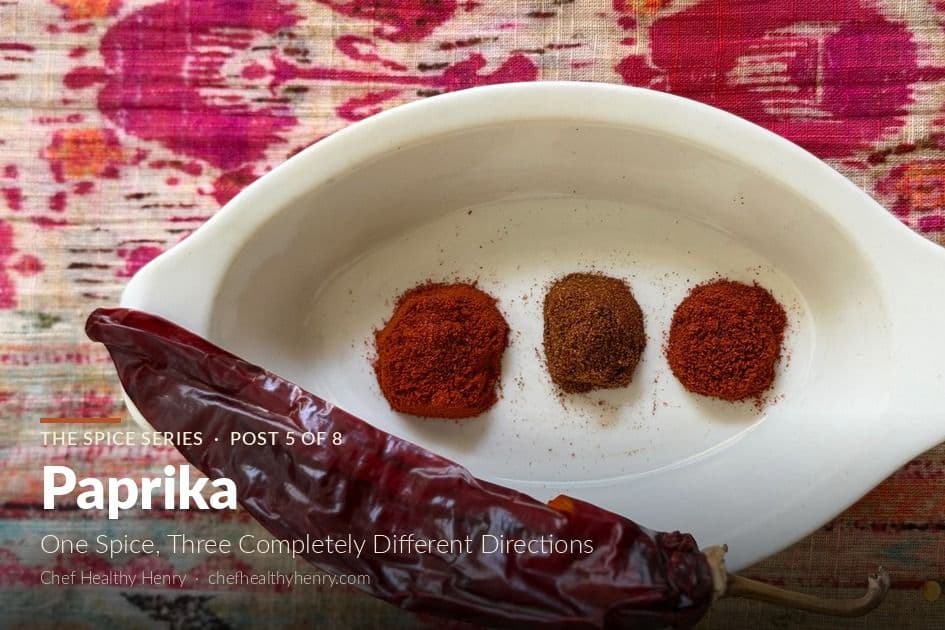
Paprika is not a single flavor. It is a category. And depending on the peppers, the region, and how those peppers are processed, paprika can completely change the direction of a dish.
One Spice, Three Distinct Styles
Hungarian Paprika
Hungarian paprika is known for its depth, richness, and range.
It moves from sweet and mild to more pungent and robust depending on the variety. In dishes like goulash and paprikash, paprika is not simply sprinkled over the finished food for color. It is part of the body of the dish. When gently bloomed in fat and incorporated into the cooking liquid, it disperses throughout the sauce and becomes integrated in a way that ground spices rarely are. The experience is rich and full, with paprika contributing a warm pepper character that runs through every bite rather than sitting on top.
This is paprika as a structural ingredient, not a finishing touch.
Spanish Paprika: Pimentón
Spanish pimentón takes paprika in a very different direction.
Many varieties are smoke-dried over wood, giving the finished spice a pronounced smoky aroma and flavor that has nothing to do with heat or chiles. Sweet, bittersweet, and hot versions each have their own character, but what defines pimentón across all of them is that smoke. It can immediately suggest fire and roasting in a way that changes the feel of an entire dish.
Even a small amount can give beans, potatoes, meats, roasted vegetables, or sauces a deeper, more complex character. Think Spanish-style white beans, patatas bravas, or the base of a traditional sofrito. The smokiness is not a background note. It is the point.
Standard Paprika
This is what most people have in their cabinet.
It is typically mild and slightly sweet, and often contributes more visual impact than distinctive flavor. That is not a criticism. Sometimes what you want is precisely that: red color and a gentle pepper warmth without pulling the dish in a particular direction. The important thing is knowing what you are reaching for and not expecting more from it than it is designed to give.
Sweet, Smoked, Hot: Read the Label
Beyond region, paprika is also labeled by style.
Sweet paprika brings pepper flavor and warmth without significant heat. Smoked paprika introduces a pronounced smoky character. Hot paprika adds heat alongside the pepper flavor.
That distinction matters more than most people realize. Replacing sweet Hungarian paprika with smoked Spanish pimentón does not simply make a recipe “a little smokier.” It can change the cultural identity and the overall experience of the dish. They are different tools even if the jar looks similar.
What You Experience on the Plate
Imagine a simple bowl of white beans.
Add standard paprika and you may notice the color before anything else. The beans take on a warmer appearance with a gentle background pepper flavor that does not pull in any particular direction.
Build those beans around Hungarian paprika, bloomed in olive oil and cooked into the liquid, and the experience becomes fuller and more integrated. The pepper flavor runs through the dish and gives it a richer, warmer character that feels intentional.
Add Spanish smoked pimentón and the first thing you may notice is the aroma before the spoon even reaches your mouth. Suddenly those same white beans suggest smoke, char, and something cooked over fire.
Same basic ingredient. Three very different destinations.
Chef Tip: Heat Changes Everything
Paprika is more sensitive to heat than most people realize.
When exposed to excessive direct heat, especially in a dry pan, it can turn bitter quickly. That bitterness is hard to fix once it happens. The better approach is to add paprika to warm fat or liquid and give it a moment to bloom at moderate heat. You are looking for the color to deepen and the aroma to open up. That is when the spice is releasing its flavor into the dish rather than sitting on top of it as a dusty powder.
This step matters most when paprika is one of the defining flavors. In goulash or paprikash, getting the bloom right is the difference between a dish that tastes complete and one that tastes flat.
How to Use It With Intention
Use Hungarian paprika when you want integrated pepper richness and warmth. Build it into the dish early, bloom it in fat, and give it time to become part of the sauce or braising liquid rather than adding it at the end.
Use Spanish pimentón when smoke is meant to be part of the flavor identity. A small amount goes a long way. It works especially well with beans, roasted vegetables, and meats where the smoky depth can develop over time.
Use standard paprika when you want gentle pepper flavor and color without changing the direction of the dish. This is the right choice for finishing eggs, adding warmth to a dressing, or bringing visual contrast to a plated dish.
This carries into the Protein Flip approach directly. When you are building a lentil and vegetable base or extending a bean dish, a bloom of Hungarian paprika can give the whole plate a warmth and cohesion that makes it feel complete. That is one ingredient doing significant work without adding calories or complexity.
Bringing It Into Your Kitchen
Paprika teaches something important about authenticity.
Two powders can look nearly identical in the jar and produce completely different food. One makes a dish feel Hungarian. Another immediately points toward Spain. And another may simply make your deviled eggs look better.
The difference is not the color. It is understanding what is behind it.
Next up, we look at cinnamon and explore how a spice most people associate with sweets plays a completely different role depending on the culture using it.
Balanced Protein. Better Living. Healthier Planet.
Keep reading