Chili Peppers and Powders: Same Ingredient, Completely Different Worlds
Spice Series, post 7 of 8
Chili peppers are often reduced to one question.
How spicy is it?
But that question misses most of what makes chiles interesting.
Because chiles are not just about heat. They can be sweet, fruity, smoky, earthy, tangy, bright, or intensely sharp. They can be fresh and crisp, dried and leathery, crushed into coarse flakes, or ground into a fine powder.
And those differences are not accidental. They are part of what gives cuisines around the world their identity.
Four Regions, Four Completely Different Experiences
Mexican Chiles: Ancho, Guajillo, and Pasilla
Mexican cooking gives us a perfect example of why “chili powder” does not begin to describe what a chile can do.
Ancho is the dried form of a ripe poblano. It is generally mild, with a deep sweetness that can suggest dried fruit or raisins. Guajillo is brighter, with a slightly tangy, fruity quality and more noticeable warmth. Pasilla goes darker and earthier, with a deeper, more complex character that sits further back in a dish.
And then there is texture.
Pick up one of these dried chiles and it is leathery and almost weightless. Toast it gently in a dry pan and the aroma changes immediately. Something opens up. The skin darkens slightly, and the smell that comes off is deep, smoky, and distinctly different from anything you get out of a jar. Soak it in hot water and the chile softens, becoming pliable and almost fleshy again. Blend it into a sauce and that physical texture disappears, but what it leaves behind is body, color, and depth that cannot be replicated by anything pre-ground.
That is a completely different experience from shaking generic chili powder into a pot.
Indian Kashmiri Chili
Kashmiri chili moves in another direction.
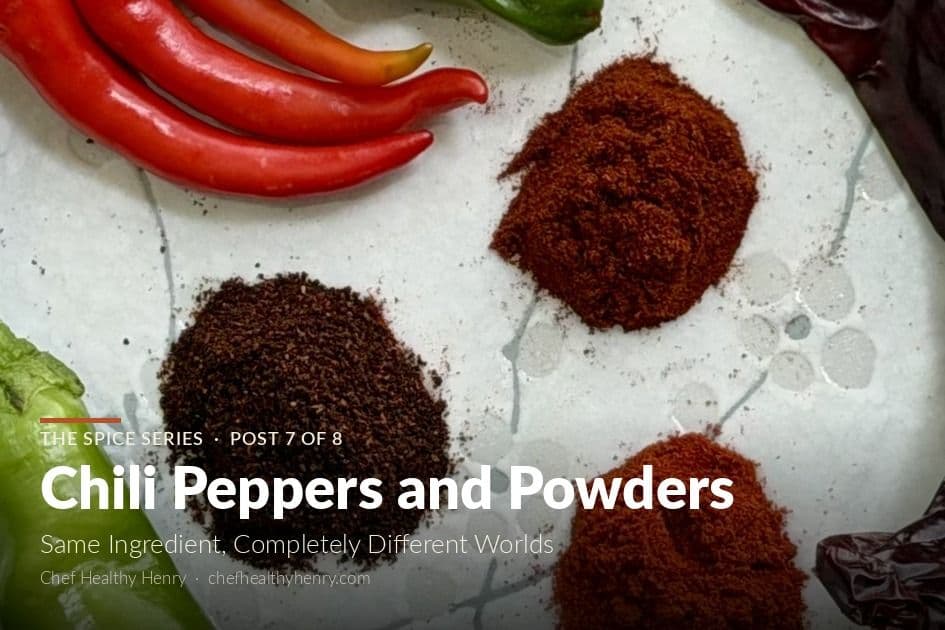
One of its defining characteristics is its brilliant red color paired with relatively moderate heat. Ground into a fine powder, it disperses throughout a dish, coloring sauces and marinades while adding warmth without overwhelming the other spices around it.
That matters in Indian cooking, where a chile may be one element in a much larger spice structure. You are getting color, warmth, and chile flavor, but the goal is not aggressive heat. The goal is a visually striking dish with a warm, even character that allows everything else to remain present.
Korean Gochugaru
Then there is gochugaru.
Look at it next to finely ground Kashmiri chili and you can already see that you are dealing with something different. Gochugaru is commonly sold as flakes or a coarser powder. It brings a combination of fruitiness, gentle sweetness, and heat that is distinct from almost any other dried chile in the world.
That texture matters enormously in something like kimchi. The chile does not simply disappear into a liquid. The flakes become part of the seasoning mixture that coats the vegetables, contributing visible color and physical presence along with flavor in every bite. In sauces and pastes, that combination of fruitiness and heat creates a distinctly Korean character.
Calling it “red pepper flakes” misses almost everything interesting about it.
Thai Bird's Eye Chile
Thai bird's eye takes us somewhere else again.
Small, fresh, and very hot, it delivers a sharp, immediate intensity that dried chiles almost never replicate. Unlike a dried Mexican chile that is toasted, soaked, and blended into the body of a sauce, a fresh bird's eye chile can remain physically present in the finished dish. Slice it into a salad or stir it into a sauce and you can encounter a piece of chile as you eat. The texture is fresh and slightly crisp. The aroma is green and immediate. The heat arrives quickly and with purpose.
In Thai cooking, that intensity works alongside acid, sweetness, saltiness, and aromatic herbs. The chile is not working alone. It is part of the balance that makes Thai food taste like itself.
What You Experience on the Plate
Put these four next to each other and the differences become impossible to ignore.
A Mexican ancho-based sauce can feel deep, smooth, earthy, and almost fruity, with a warmth that builds slowly and a color so dark it looks nearly black before it is thinned. There is nothing sharp about it. It coats and lingers.
Kashmiri chili can give an Indian dish a brilliant, vibrant red that looks like it should be intense, but the heat is measured and controlled. Other spices remain audible underneath it. The color is doing as much work as the flavor.
Gochugaru gives Korean food visible flakes, fruitiness, and a rounded heat that sits in the dish rather than cutting through it. In kimchi, you can see the chile. It is a physical part of what you are eating, not just a flavor dissolved into everything else.
Fresh Thai bird's eye chile gives you a crisp piece of green or red pepper followed by a quick, direct burst of heat that clears and moves on. It does not coat or linger. It punctuates.
They are all chiles. But they do not look the same, feel the same, taste the same, or create the same food.
Fresh, Dried, Flaked, Ground
With chiles, form is part of flavor.
Fresh chiles bring moisture, crispness, a green or bright aroma, and heat that arrives fast and clean. Dried whole chiles concentrate flavor and can develop deeper fruity and earthy qualities that simply are not present when the chile is fresh. Chile flakes retain physical presence and distribute uneven little bursts of flavor and heat throughout a dish. Fine chile powders disappear into the food, distributing color and flavor more uniformly but losing the textural dimension entirely.
This is why there is no useful universal fresh-to-dried conversion for chiles. A teaspoon of powder and a teaspoon of fresh chile are not different quantities of the same experience. They are different ingredients doing different jobs.
Chef Tip: Flavor First, Heat Second
Before choosing a chile, stop asking only how hot it is.
Ask what it tastes like. Ask what texture it will bring. Ask whether you want the chile to disappear into the dish or remain physically present. Ask whether you need sweetness, earthiness, fruitiness, brilliant color, or sharp heat.
Then choose.
Heat is only one piece of the equation. And for most of the world's great chile-based dishes, it is not even the most important one.
How to Use Them With Intention
Use ancho when you want mild, deep, fruity richness in a sauce, braise, or marinade. Toast and soak it before blending for the fullest result.
Use guajillo when you want brighter chile flavor and moderate warmth with a slightly tangy edge. It works well alongside ancho to add complexity to a sauce.
Use pasilla when you want darker, earthier depth. It rounds and deepens what surrounds it.
Use Kashmiri chili when you want brilliant color and moderate warmth within a layered spice profile. It gives dishes visual impact without pushing the heat to the front.
Use gochugaru when you want its distinctive fruity heat and the textural presence of the flakes. Do not substitute with generic red pepper flakes. The flavor profile is genuinely different.
Use Thai bird's eye when you want fresh, sharp, immediate heat. Slice it in fresh at the end rather than cooking it down when you want that clean, green intensity.
And do not assume one red chile powder can stand in for another simply because the color looks similar. The color is often where the similarity ends.
This connects to the Protein Flip approach in a specific way. When you are extending a traditional dish with plant proteins, additional legumes, or whole grains, the chile is often what keeps the dish tasting like itself. A lentil added to an ancho-based sauce stays inside that sauce's identity. The same lentil in a gochugaru paste is a completely different dish. The chile defines the direction. Everything else follows.
Bringing It Into Your Kitchen
Chiles may be the clearest example of everything we have explored in this series.
A red pepper is not just a red pepper. Where it comes from matters. How it is dried matters. How it is ground matters. How it is cooked matters. And the other ingredients surrounding it matter.
Choosing the right chile is not about making cooking more complicated. It is about understanding why a Mexican sauce tastes Mexican, why kimchi tastes Korean, why an Indian curry carries its particular warmth, or why a Thai dish has that unmistakable flash of fresh heat.
That is where authenticity begins. Not with more ingredients. With the right ones.
What Comes Next
We have traveled through this series from oregano and cumin to basil, paprika, cinnamon, and now chiles. We have smelled them, tasted them, toasted them, soaked them, crushed them, bloomed them in fat, and looked at how the same category of ingredient can create completely different experiences depending on where it comes from and how it is treated.
But there is a larger lesson underneath all of it.
In the final post of this series, we bring it all together and talk about what cooking with the right ingredients actually means. Not rules. Not restrictions. Something more important than both.
Balanced Protein. Better Living. Healthier Planet.
Keep reading