Why Brown Tastes Better: The Science Behind the Sear
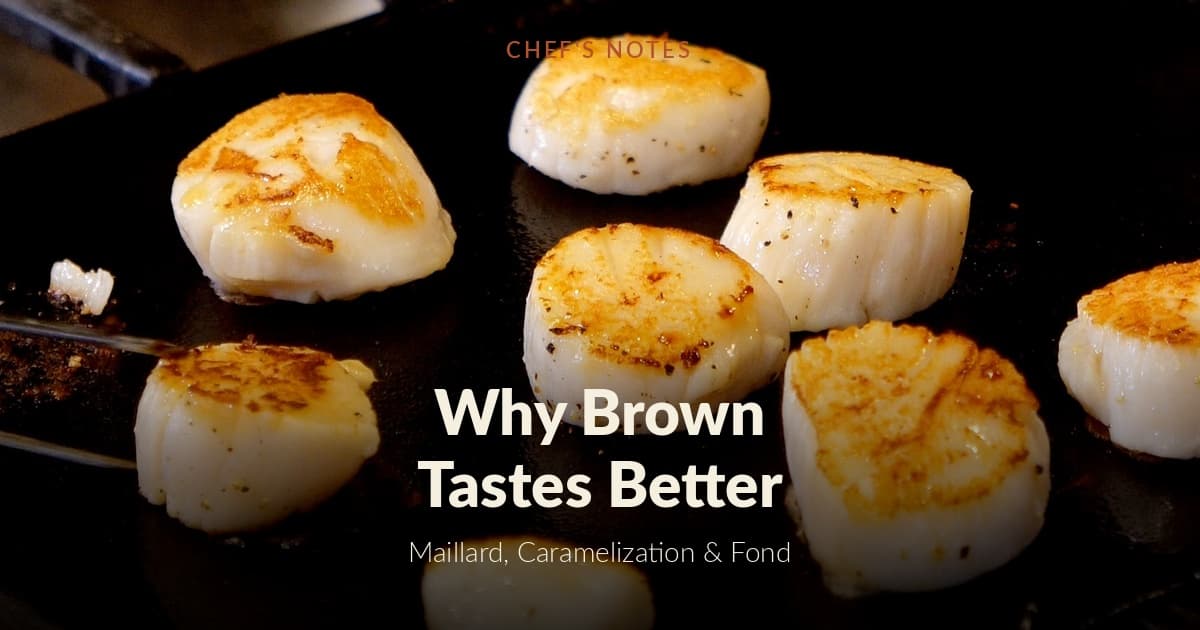
There is a moment in cooking that every experienced cook recognizes.
The pan is hot. The ingredient hits the surface. And something changes.
The sound shifts. The color deepens. An aroma fills the kitchen that was not there a moment ago. The food is doing something that no amount of seasoning or sauce can replicate.
That moment is browning. And understanding what is actually happening during it will change how you cook everything.
It Is Not One Thing
When most people think about browning, they think about one idea. Heat turns food brown. Brown tastes good.
But there are actually three distinct reactions that cause browning, and each one creates a completely different result. They happen at different temperatures, involve different ingredients, and produce different flavors. Knowing which one you are after, and how to get it, is one of the most practical pieces of knowledge you can have in a kitchen.
The Maillard Reaction
This is the one chefs talk about most. Named after a French chemist who described it in the early 1900s, the Maillard reaction happens when amino acids and reducing sugars are exposed to heat, generally above 280 degrees Fahrenheit.
What it produces is not a single flavor. It produces hundreds of flavor compounds simultaneously, which is why the result is so complex. The crust on a seared piece of chicken. The deep golden color on roasted vegetables. The browned bits at the bottom of a pan after cooking garlic in olive oil. The edge of a grain that has been toasted in a dry pan. All of that is the Maillard reaction at work.
The flavor it creates is savory, nutty, and rich. It adds depth that no seasoning can replicate because it is not an additive. It is a transformation. The ingredient is genuinely different after it happens.
Two things prevent it: moisture and low heat. When a surface is wet, the energy from the pan goes into evaporating the water rather than browning the food. When the heat is too low, the reaction never gets started. This is why patting protein dry before it hits the pan matters so much, and why crowding a pan stalls everything. When food is packed together, steam builds and moisture cannot escape. You get a braise instead of a sear. Both have their place, but they are not the same thing. If you want to go deeper on those habits, I wrote about both in Clean Cooking.
Caramelization
Caramelization is a completely different reaction. It involves only sugar, no amino acids needed. When pure sugars are exposed to heat, generally above 320 degrees Fahrenheit, they begin to break down and produce new compounds with nutty, buttery, and complex sweet notes.
You see this most clearly in a few places. Onions cooked slowly over low heat for 30 to 40 minutes go from sharp and pungent to golden, sweet, and almost jammy. Roasted carrots or beets develop a sweetness at their edges that they do not have raw. A banana blackens in a hot pan and releases a deep, concentrated sweetness. None of that is the Maillard reaction. All of it is caramelization.
The key difference between the two: Maillard browning creates savory depth. Caramelization creates sweetness. They often happen simultaneously because most ingredients contain both sugars and amino acids. But when you want to understand what you are tasting and why, it helps to know which reaction drove the result.
You can also hear the difference between the two. Caramelization tends to happen more quietly, over lower heat, over longer time. Maillard browning happens faster, louder, in a hotter pan. The sizzle of Maillard is more aggressive. The slow, almost imperceptible darkening of caramelization is a different kind of patience.
The Fond
The fond is the third player, and the most overlooked.
When you sear protein, roast vegetables, or cook garlic in a pan and then remove the food, what remains on the pan surface is not a mess to be cleaned off. It is concentrated flavor. Every one of those browned, stuck-on bits is a product of the Maillard reaction, packed with the same compounds that made your food taste so good.
Deglazing releases it. Add a small amount of liquid to the hot pan: wine, stock, water, lemon juice. The liquid hits the surface and immediately loosens everything. The fond dissolves into the liquid and becomes the foundation of a sauce or a finishing element. The color of the liquid deepens. The aroma shifts. What was stuck to the pan is now part of the dish.
Skipping the deglaze means washing concentrated flavor down the drain. After a quality sear, the fond is often the best thing in the pan.
What You Experience on the Plate
Think about the difference between a chicken breast that is pale and steamed versus one that has been properly seared.
The pale one tastes like itself. The seared one tastes like more than itself. There is a crust. There is depth. There is complexity in the first bite that was never in the raw ingredient.
The same applies to vegetables. A carrot roasted until its edges are deeply golden and beginning to caramelize tastes nothing like a steamed carrot, even if both were seasoned identically. The roasted one has been transformed. The steamed one has only been softened.
Brown is not just a color. It is a flavor, built by heat, that cannot be faked or added after the fact.
Chef Tip
Watch for three signals that browning is happening correctly.
Color. The surface should be moving from pale to golden to deep brown. If nothing is changing after a few minutes, the heat is too low or the surface is too wet.
Sound. A confident, steady sizzle means moisture is leaving and browning is developing. A wet, quiet steam sound means the food is not yet browning. A sharp, aggressive sound with smoke means the pan is too hot.
Aroma. When browning is going right, the kitchen smells nutty, rich, and savory. When it tips too far, the smell shifts toward something sharper and drier. Your nose will tell you before your eyes do.
Where This Connects to the Protein Flip™
When a plate is built around a large portion of beef, pork, or chicken, some of the savory depth comes automatically from the browning on that protein. It is built into the ingredient.
When you flip the ratio and build more of the plate around legumes, grains, and vegetables, you have to be more intentional about generating that same depth through technique. The Maillard reaction does not happen by accident on a pot of lentils. You have to give it conditions: enough heat, a dry surface, enough time in contact with the pan.
Toast your grains in a dry pan before cooking them. Roast your vegetables at a high enough temperature to develop edges. Sear your proteins, whatever they are, instead of steaming them. Deglaze the pan and bring that fond into the dish.
That is how a plant-forward plate earns its flavor. Not by adding more. By using heat well.
Try This Tonight
Pick one ingredient in tonight's dinner and brown it properly.
If it is a protein, pat it completely dry before it hits the pan. Do not touch it for at least two minutes. Let it release on its own. When you lift it, the surface should be deeply golden and release cleanly.
If it are vegetables, roast them at 425 degrees with enough space between them so they can breathe. Give them time to develop edges.
After you remove anything from the pan, do not walk away. Add a small splash of something: wine, stock, or water. Watch the fond lift and dissolve. Taste it. That is your sauce. That is the flavor that would have gone down the drain.
Brown once. Build twice.
Balanced Protein. Better Living. Healthier Planet.
Keep reading