What Does the Mediterranean Diet Actually Mean?
The Mediterranean diet is not a diet in the traditional sense. There are no points, no forbidden foods, and no strict calorie targets. It is a way of eating built around plants, good fats, and whole foods that has been practiced in Mediterranean coastal regions for generations, and it is one of the most studied eating patterns in nutrition science.
What it is built around
Vegetables and legumes at the center of every meal. Whole grains like farro, barley, and whole wheat bread rather than refined carbohydrates. Fish and seafood two or more times per week. Olive oil as the primary fat. Moderate amounts of dairy, mostly as yogurt and cheese. Poultry a few times a week. Red meat occasionally, not daily.
What it minimizes: ultra-processed food, refined sugar, industrial seed oils, and heavily processed meat.
Why it works
The pattern is high in fiber, healthy fats, and micronutrients. It is naturally anti-inflammatory and satiating. The research consistently links it to lower rates of heart disease, better metabolic health, and longer life. It also happens to produce food that tastes good, which is why it has survived for centuries without needing a book to explain it.
How to eat this way tonight
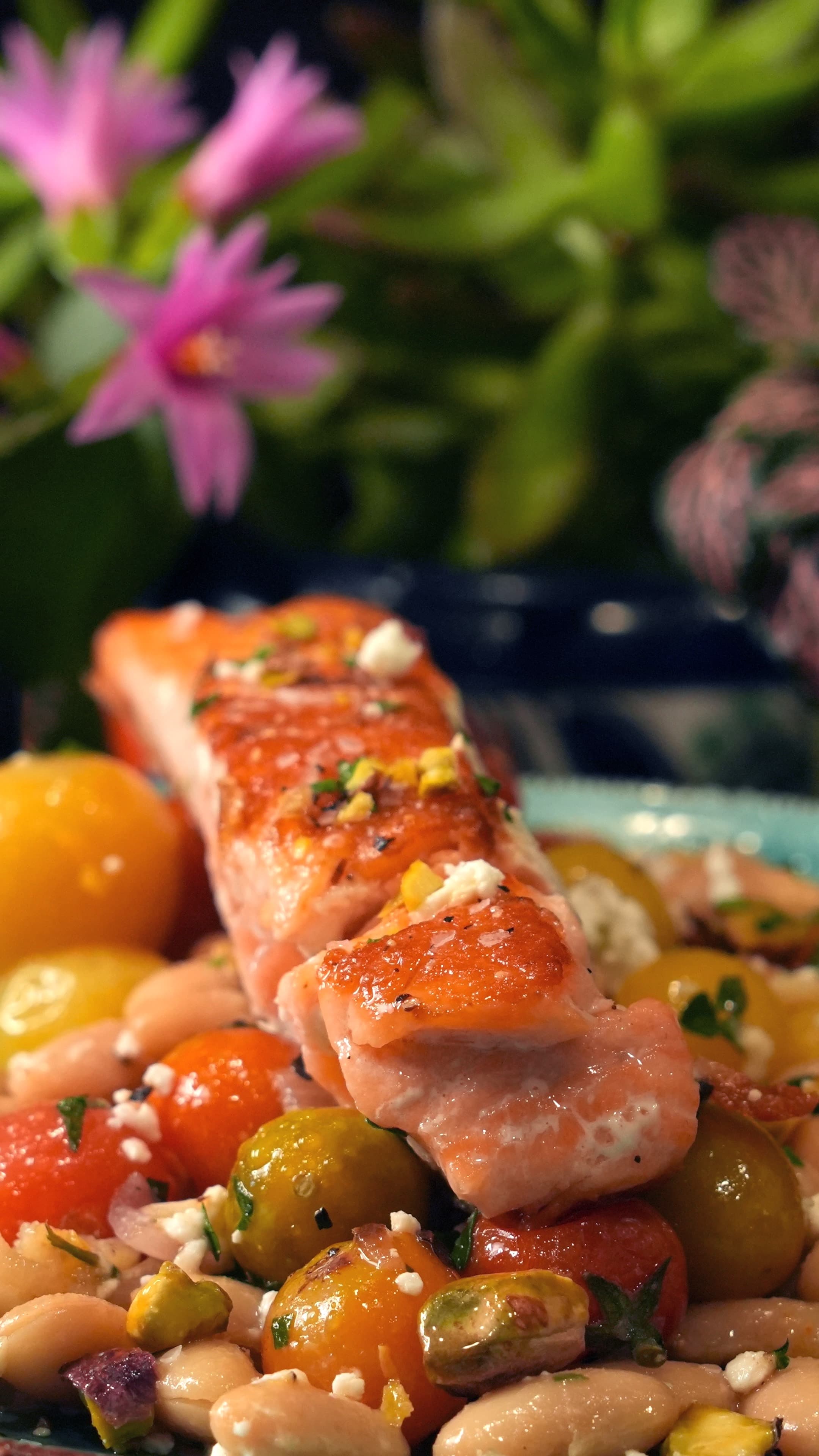
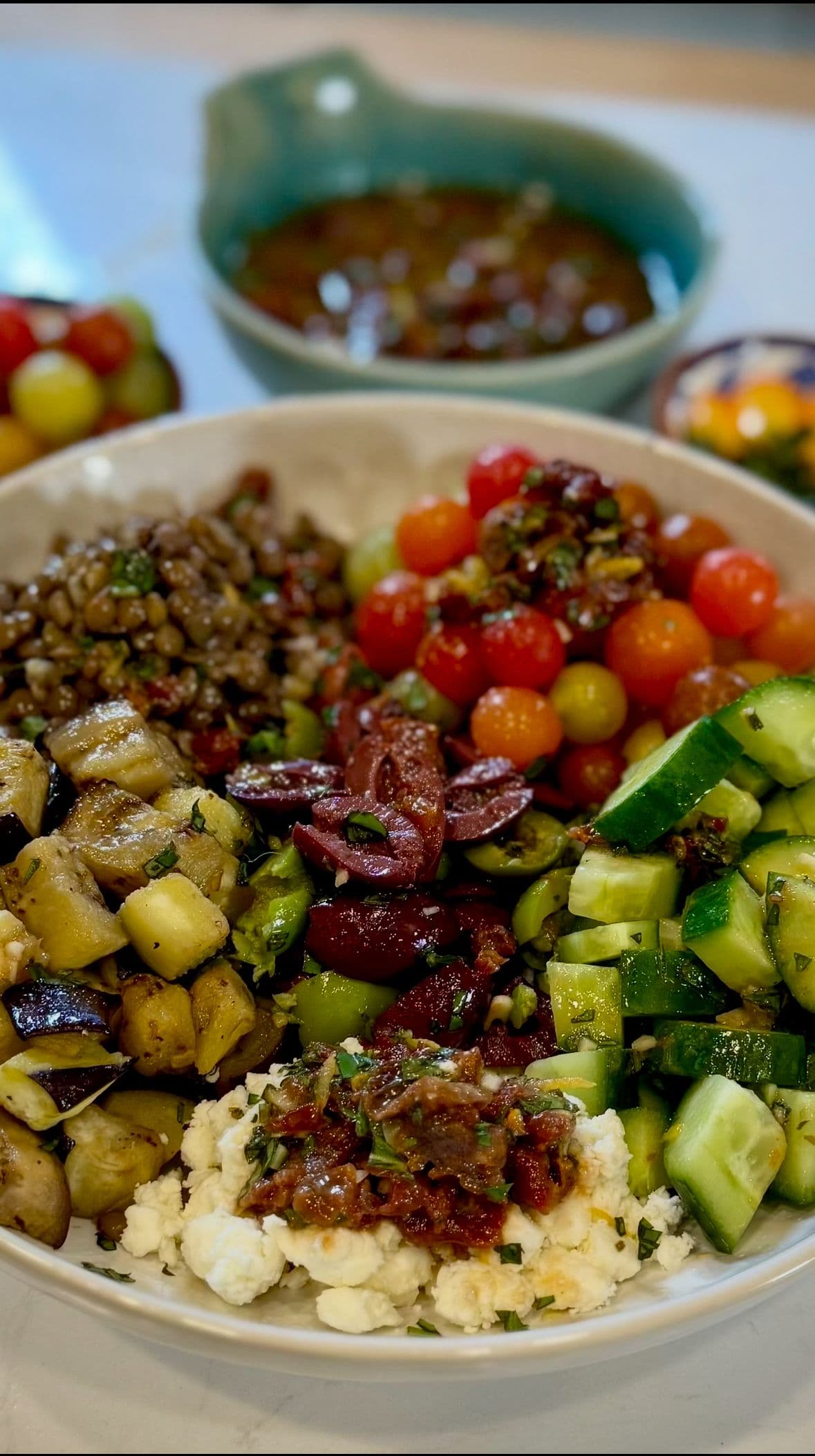
The site has dozens of Mediterranean-inspired recipes. The Mediterranean Lentil Bowl with Zesty Sun-Dried Tomato Dressing is a strong starting point. So is the Easy Mediterranean Bean Bowl with Crispy Sourdough, the Mediterranean Cod and White Bean Stew, and the Mediterranean Lentil Salad. Each one follows the pattern without requiring you to think about it.
Want to build more Mediterranean meals into your week? Sous can help you plan around what you already have. Available in the Kitchen membership at chefhealthyhenry.com.
Balanced Protein. Better Living. Healthier Planet.
Keep reading