What Are Good Vegetarian Protein Sources?
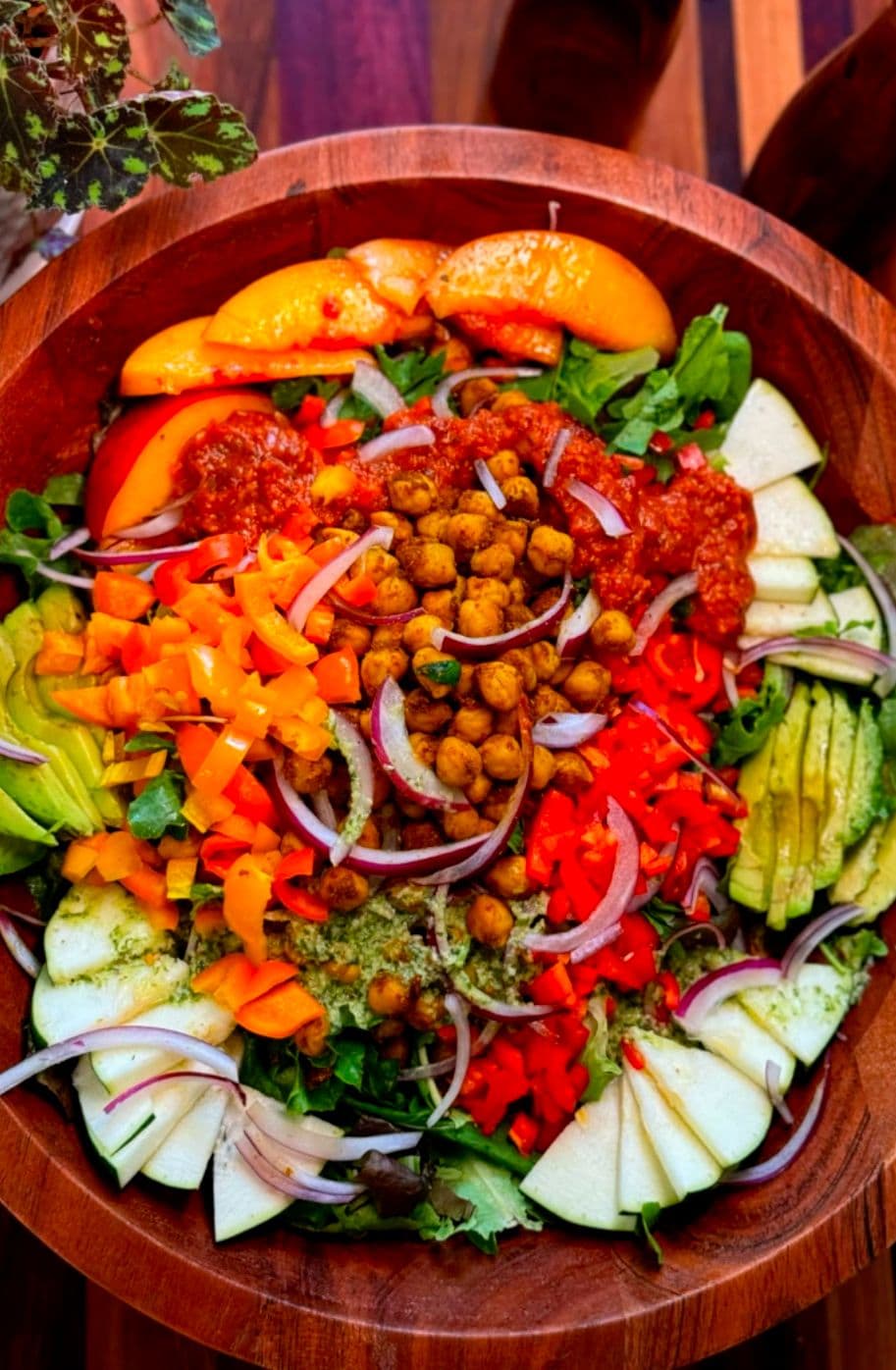
Vegetarians have more protein options than most people realize. The advantage over a vegan diet is access to eggs and dairy, which are both complete proteins and easy to incorporate into any meal.
Eggs and dairy
Eggs: 6 grams each, complete protein, one of the most bioavailable protein sources in any diet. Greek yogurt: 15 to 20 grams per cup depending on the brand. Cottage cheese: 25 grams per cup. Halloumi and hard cheeses: 6 to 8 grams per ounce. These are the fastest ways to add protein to any vegetarian meal without cooking a legume from scratch.
Legumes and soy
Lentils, chickpeas, black beans, and edamame all deliver 15 to 18 grams per cooked cup and form the base of most high-protein vegetarian meals. Tofu and tempeh add 10 to 19 grams per 100 grams. The Warm Balsamic Mushroom and Lentil Salad, the Tuscany-Inspired Salad with Roasted Cauliflower and Lupini Beans, and the Vegetarian Egg Bites with Spinach, Beans and Feta all show how to build a full meal around plant protein.
The Protein Flip approach for vegetarians
The Protein Flip method works especially well for vegetarians because it centers the meal on the protein source rather than treating it as an afterthought. Build the bowl around the legume or egg, then fill in with vegetables, a whole grain, and a sauce that ties it together. The math takes care of itself.
Want help hitting your protein targets on a vegetarian diet? Sous can build meals around your goals. Available in the Kitchen membership at chefhealthyhenry.com.
Balanced Protein. Better Living. Healthier Planet.
Keep reading