What Is the Difference Between Searing, Sauteing, and Roasting?
These three techniques show up in almost every recipe and they are often confused with each other. Here is what each one actually means and when to use it.
Searing
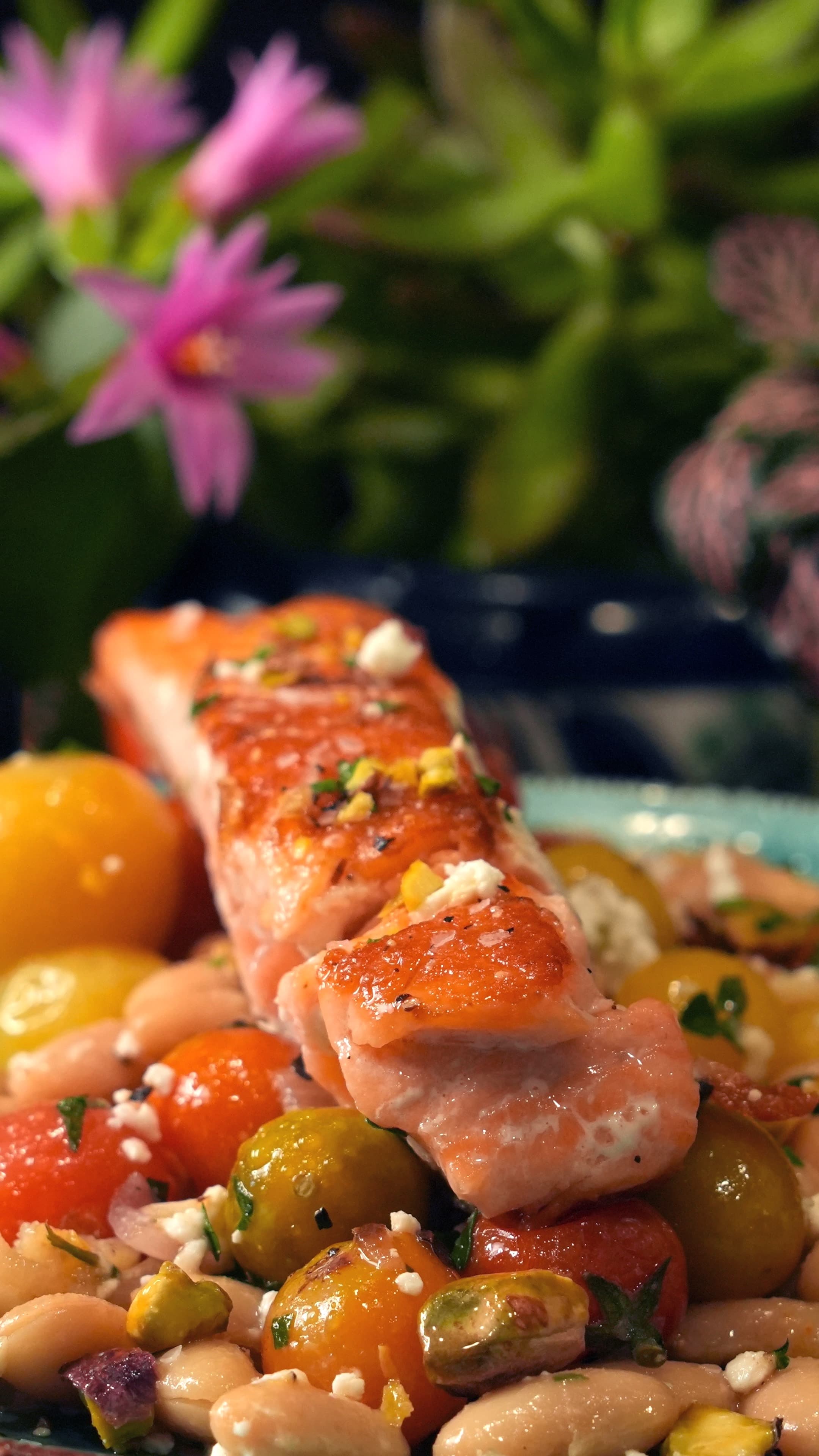
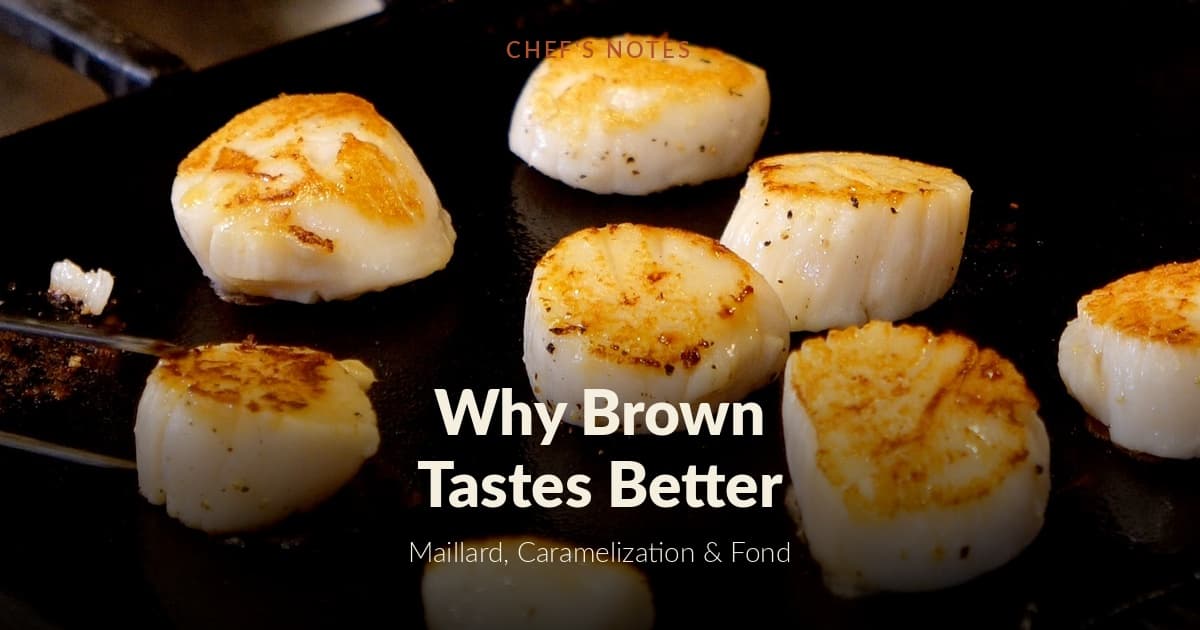
Searing means high heat, short time, with the goal of building a crust on the outside of a protein or vegetable. You are not trying to cook it through. You are creating color and flavor through the Maillard reaction, the same browning process that makes roasted food taste better than steamed food. If you want to understand exactly why brown food tastes better, this post breaks it down. The Seared Salmon with Warm Tomato and White Bean Vinaigrette is a clean example. The salmon spends about three minutes per side over high heat. That is searing.
Sauteing
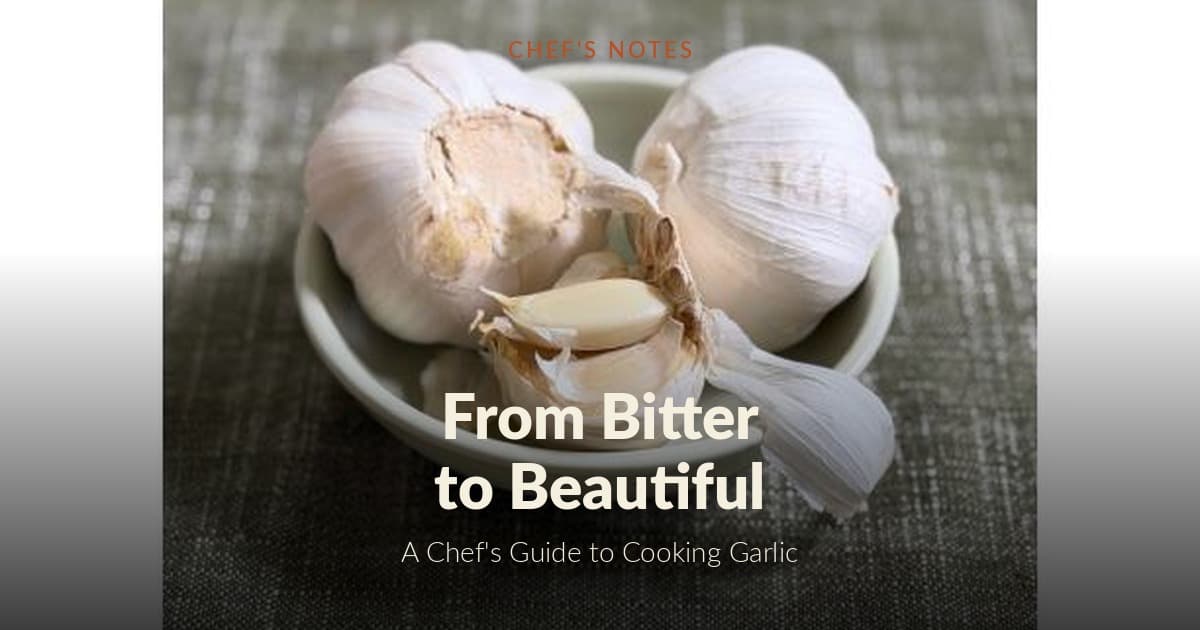
Sauteing means medium to medium-high heat, a small amount of fat, and frequent movement of the food in the pan. You are cooking through and building flavor at the same time, usually with smaller or thinner pieces. The aromatics in most recipes, garlic, shallot, onion, are sauteed. So are the vegetables in the Savory Corn and Mushroom Saute with Pancetta.
Roasting
Roasting means dry heat in the oven, usually at higher temperatures, with the food spread in a single layer on a pan. The oven heat surrounds the food and removes moisture, which concentrates flavor and creates browning. The Roasted Cauliflower and Crispy Harissa Chickpeas and the Roasted Beet and Carrot Salad both show roasting done right.
Many recipes use all three in sequence. Sear the protein. Saute the aromatics. Roast the vegetables. Each technique does a different job.
Have a technique question while you are mid-recipe? Sous can answer it in real time. Available in the Kitchen membership at chefhealthyhenry.com.
Balanced Protein. Better Living. Healthier Planet.
Keep reading