Why Does Radicchio Taste Bitter? And How to Make It Delicious
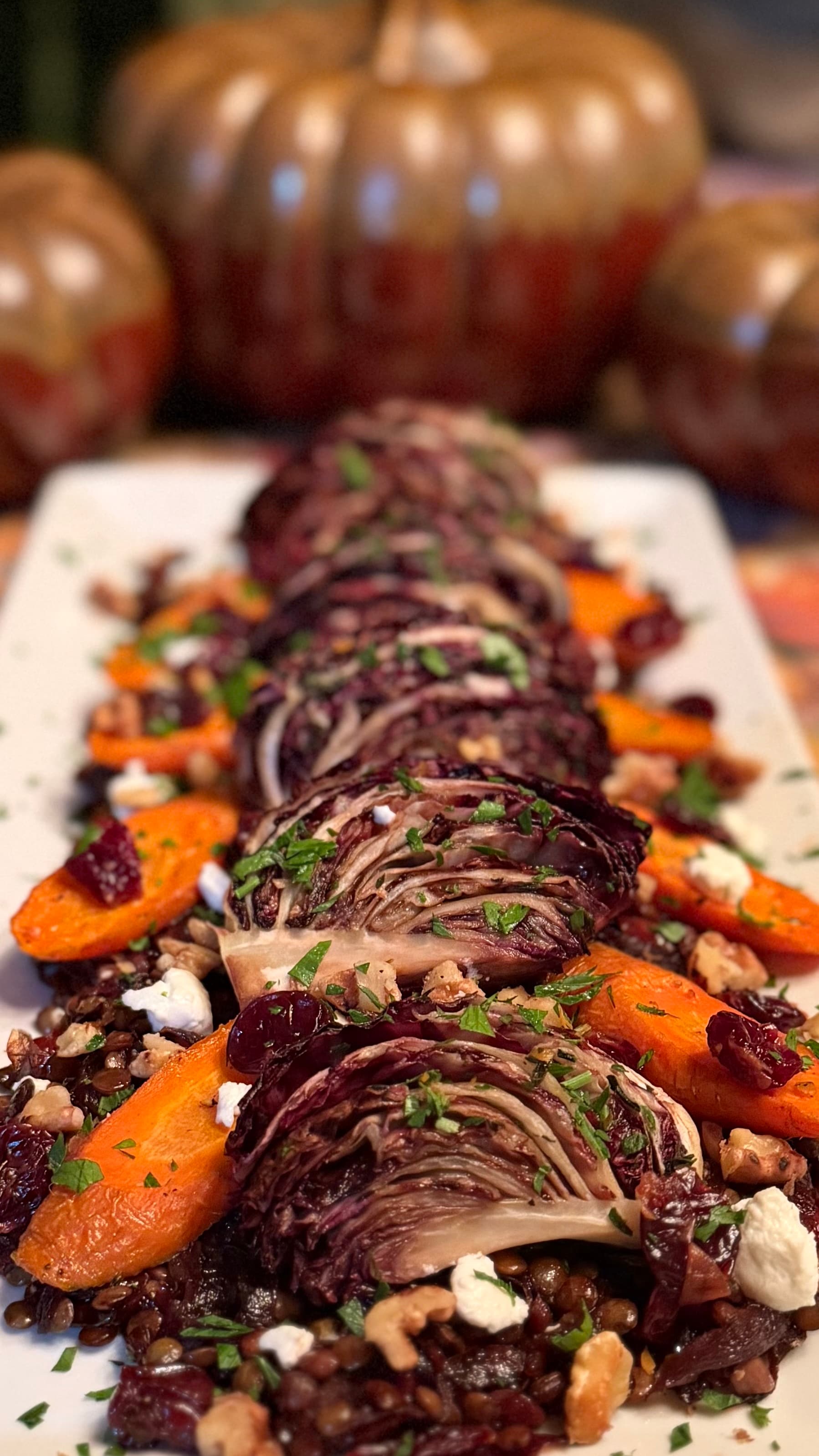
If you have ever bought a beautiful head of radicchio, taken a bite, and wondered why something that looks so much like lettuce tastes so different, you are not alone.
With its deep burgundy leaves and striking white veins, radicchio is one of the most beautiful vegetables in the produce aisle. But its distinctive bitterness can catch people by surprise, especially if they are expecting something mild and sweet like red cabbage.
Here is the thing: radicchio is not supposed to taste like lettuce. That slightly bitter edge is part of what makes it interesting. And once you understand how to work with it, radicchio becomes an incredibly versatile ingredient.
The secret is not getting rid of the bitterness. It is learning how to use it to your culinary advantage.
Why Is Radicchio So Bitter?
Radicchio belongs to the chicory family, along with endive and other naturally bitter leafy vegetables. Its bitterness comes from compounds naturally present in the leaves.
It is not a sign that the vegetable has gone bad or that you have prepared it incorrectly. It is simply part of radicchio's character.
Think about how we enjoy other bold flavors. We appreciate the tang of a good goat cheese, the acidity of lemon, or the slight bitterness of dark chocolate. Each brings something different to a dish. Radicchio works much the same way.
That pleasant bitterness can provide contrast, particularly when paired with ingredients that are sweet, creamy, savory, or acidic.
Different varieties also have different levels of bitterness. The round, tightly packed Chioggia radicchio commonly found in grocery stores has a pronounced bite, while varieties such as Castelfranco can be milder.
Does Cooking Radicchio Make It Less Bitter?
Generally, yes. Cooking can mellow radicchio's sharpness, but eliminating its bitterness entirely is not necessarily what we want.
That bitterness is one of radicchio's defining characteristics, and when used thoughtfully, it can elevate an entire dish. Rather than trying to remove it, the goal is to balance it with other flavors and textures, allowing the bitterness to contribute something interesting to the finished plate.
Heat changes both the texture and flavor of the leaves. As radicchio softens, its taste often becomes rounder and less aggressive than when eaten raw.
Roasting Radicchio
Roasting softens the leaves and can bring out deeper, more rounded flavors, particularly where the vegetable develops light browning. Cutting radicchio into wedges rather than chopping it into small pieces helps the leaves hold together and gives the finished dish a more attractive presentation.
The challenge is avoiding excessive browning. Radicchio's outer leaves can dry out or scorch before the thicker interior sections become tender. A gentler roasting approach, with the wedges arranged close together in a shallow baking dish, is one technique worth trying. The goal is tender leaves with a little caramelization, not completely charred edges.
Sauteing Radicchio
Sauteing is one of the easiest ways to introduce radicchio into everyday cooking. Slice it into ribbons and cook briefly in olive oil with garlic or onions. The leaves soften quickly and can be tossed with pasta, added to warm grain bowls, or served alongside fish or chicken. Finish with a little lemon juice or vinegar to brighten the flavors.
Grilling Radicchio
Grilling adds a smoky element that complements radicchio's naturally assertive flavor. Cut the head into wedges, brush with olive oil, and grill until tender with some lightly charred edges. A drizzle of balsamic vinegar and a sprinkle of cheese make a simple finish. Just be careful not to overdo the charring. A little adds complexity, but too much can introduce additional bitterness.
Five Ways to Balance Radicchio's Bitterness
1. Add Something Sweet
Sweetness provides a welcome contrast to bitter greens. Roasted carrots, caramelized onions, winter squash, apples, pears, and dried cherries all work beautifully with radicchio. The sweetness does not need to come from added sugar. Often, the natural sweetness of another vegetable is enough to bring a dish into balance.
2. Introduce Acidity
Lemon juice, sherry vinegar, and balsamic vinegar can brighten radicchio and help balance the perception of bitterness. Balsamic is especially useful because it brings both acidity and a touch of sweetness. Start with a small amount, taste, and adjust. Too much vinegar can overpower the dish rather than improve it.
3. Add Something Creamy
Creamy ingredients provide a soft contrast to radicchio's more assertive character. Goat cheese, feta, ricotta, and even a simple yogurt-based dressing can work well. Goat cheese in particular works because its tanginess and creamy texture complement the vegetable without covering up its flavor.
This is also a good opportunity to introduce a secondary protein to the plate. Ingredients like goat cheese, feta, and Greek yogurt can contribute additional protein while bringing flavor and creaminess. It is a simple example of how a thoughtful ingredient pairing can do more than one job.
4. Include a Little Fat
Extra-virgin olive oil, toasted walnuts, and other nuts or seeds add richness and help round out the overall eating experience. You do not need large quantities. A little olive oil and a scattering of toasted walnuts can make a noticeable difference.
5. Give It Something Earthy
Lentils, farro, beans, and mushrooms provide a savory foundation that gives radicchio's bitterness some context. Rather than eating a large portion of radicchio by itself, you can enjoy it as one component of a more balanced, satisfying plate.
Common Mistakes When Cooking Radicchio
- Treating it exactly like lettuce. Radicchio has a stronger flavor and a sturdier texture. It often benefits from more thoughtful pairings than a simple green salad.
- Assuming all bitterness is bad. Some bitterness is desirable. The goal is a pleasant balance of flavors, not making the vegetable taste completely neutral.
- Overcooking or burning the leaves. Excessive charring can make radicchio taste harsher. Watch the edges carefully and remove it from the heat once it becomes tender.
- Forgetting the supporting ingredients. A plate of bitter radicchio alone can be challenging. Add something sweet, creamy, savory, or acidic and the entire experience changes.
- Trying to solve everything with sugar. You do not need to sweeten radicchio heavily. Roasted vegetables, caramelized onions, or a little dried fruit can provide a much more interesting balance.
Putting It All Together
One of my favorite approaches to building a vegetable-centered dish is to think about how the ingredients work together rather than letting any single one dominate. That is the thinking behind my Roasted Radicchio & Carrots with Herbed Lentils, Tart Cherries & Warm Goat Cheese.
The radicchio brings its distinctive, slightly bitter character. Roasted carrots and caramelized red onions contribute natural sweetness, while French green lentils create an earthy, satisfying foundation. Dried tart cherries soaked in sherry vinegar add little bursts of sweet-tart flavor. Warm goat cheese provides creaminess, and toasted walnuts add crunch. Each ingredient has a purpose.
It is also a good example of the Protein Flip™ Method, where protein and fiber come from several complementary ingredients across the plate. The lentils provide the foundation, with additional contributions from goat cheese, walnuts, and vegetables. The result is a colorful, substantial vegetarian dish with approximately 20 g protein and 10 to 11 g fiber per serving.
A Final Thought: Do Not Be Afraid of a Little Bitter
We spend a lot of time talking about sweet, salty, and savory flavors, but bitterness deserves a place at the table too. It adds contrast, creates depth, and can make familiar ingredients taste more interesting.
The next time you see a beautiful head of radicchio at the market, do not automatically think salad. Consider roasting it with seasonal vegetables, sauteing it with garlic, or pairing it with something creamy and a little sweet. You may discover that the flavor you once found challenging is exactly what makes the dish memorable.
Do you enjoy bitter flavors like radicchio, or have you always found them a little challenging? And if you have found a favorite way to prepare it, share it in the comments. Sometimes the most interesting cooking ideas come from what works in someone else's kitchen.
Balanced Protein. Better Living. Healthier Planet.
Comments
No comments yet. Be the first to share your thoughts.
Leave a comment
Keep reading