How Do I Add More Protein Without Adding More Meat?
Adding more protein to a meal does not require adding more meat. Several plant-based and dairy options deliver comparable protein per serving and integrate easily into everyday cooking.
Legumes
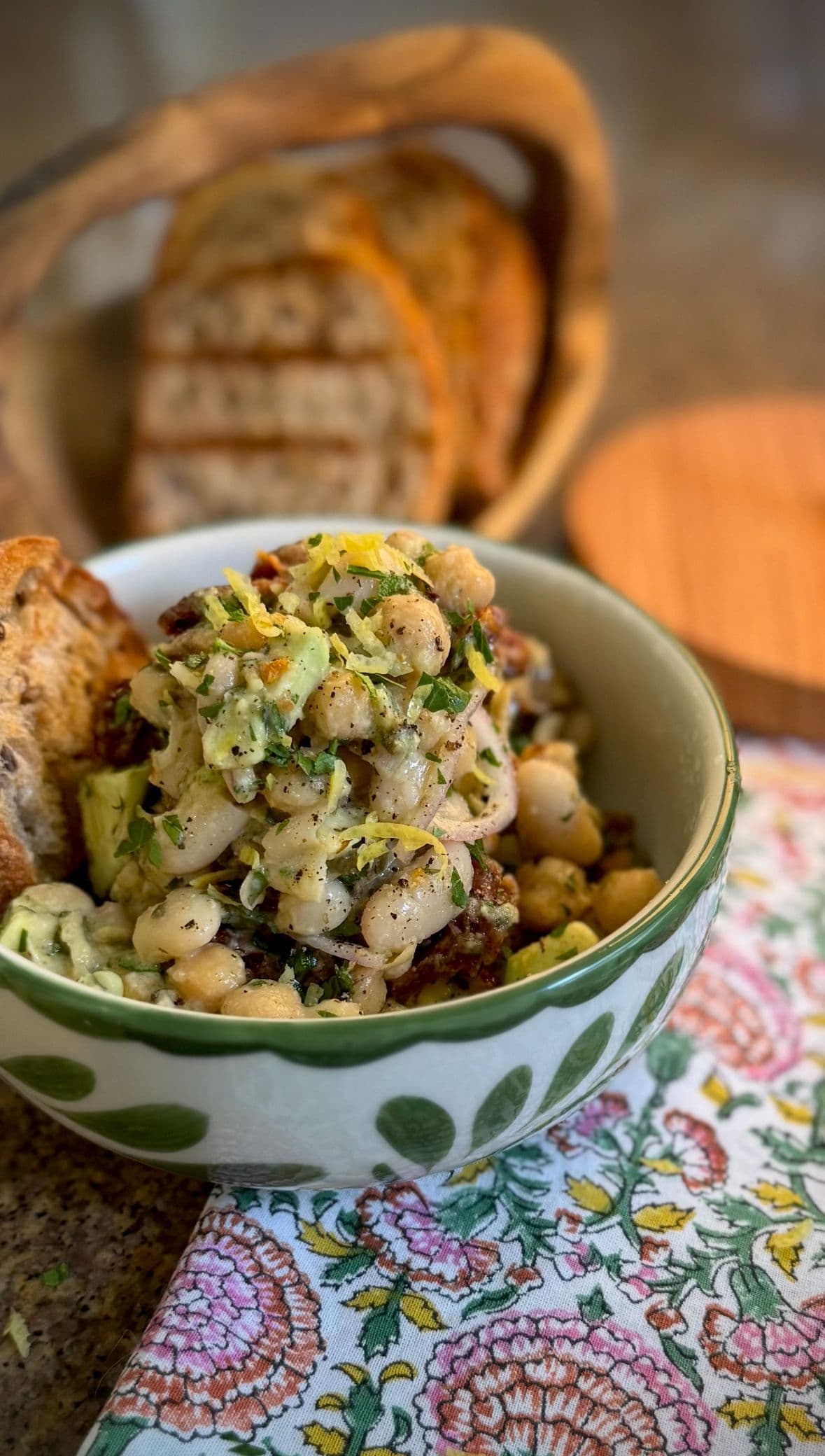
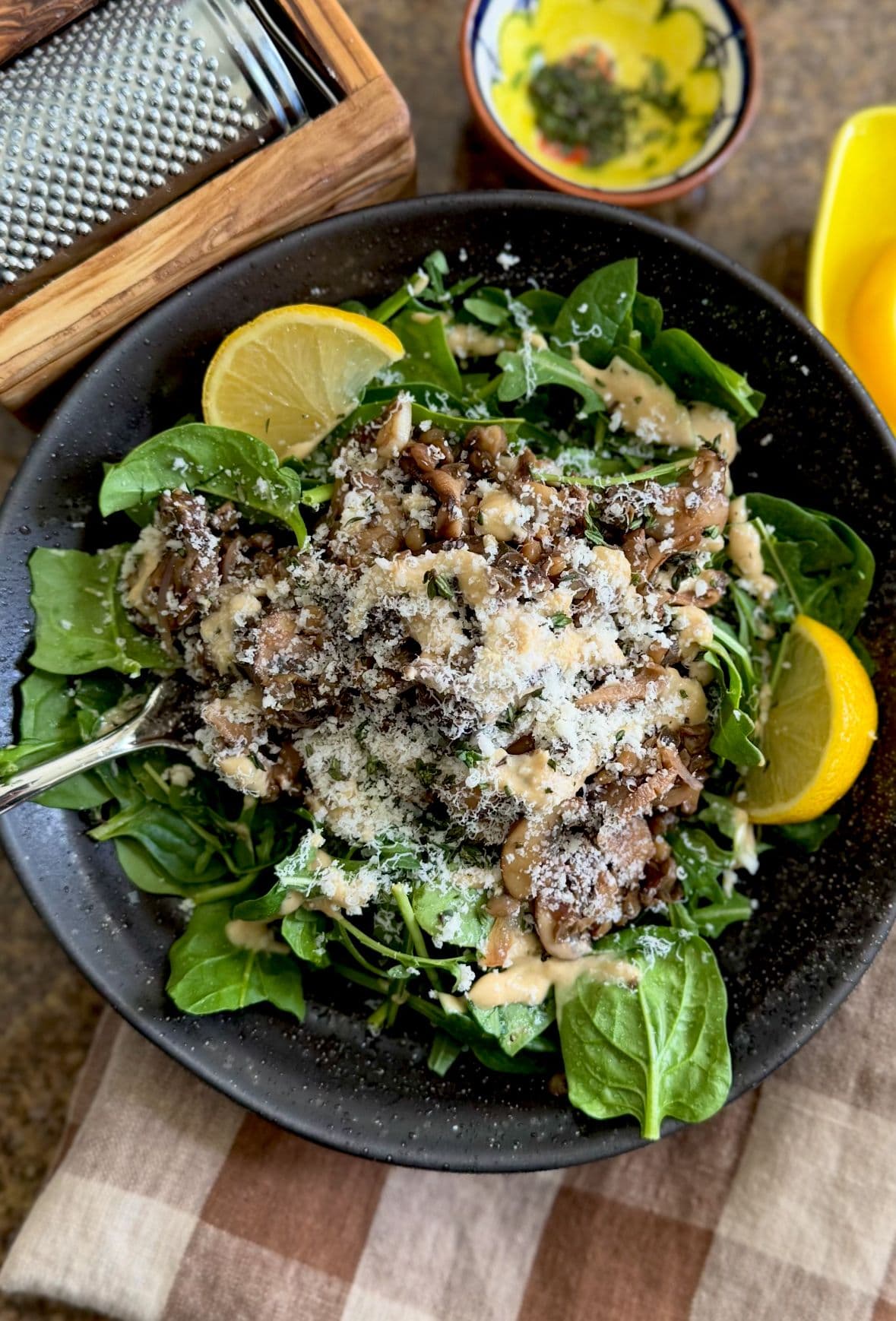
Lentils (18g per cooked cup), chickpeas (15g), black beans (15g), and edamame (17g) are the highest-protein plant foods you can add to almost any dish. Stir them into soups and stews, use them as the base of bowls, blend them into dips, or toss them into salads. The Warm Balsamic Mushroom and Lentil Salad and the Tuna and Chickpea Salad both build around legumes as the primary protein.
Eggs and dairy
A large egg has 6 grams of complete protein. Greek yogurt has 15 to 20 grams per cup. Cottage cheese has 25 grams per cup. These are the fastest proteins to add to any meal: a soft-boiled egg on top of a grain bowl, a spoonful of Greek yogurt stirred into a sauce, cottage cheese as a base for a savory toast.
Tofu and tempeh
Tofu (8 to 10g per 100g) and tempeh (19g per 100g) are the highest-protein soy foods. Tempeh in particular rivals many meats for protein content per serving. The Royal Tempeh and Sweet Potato Tacos demonstrate how tempeh works as a primary protein.
The Protein Flip approach
The Protein Flip method is built exactly around this question: how do you right-size the animal protein and supplement it with plant-based protein so the plate has more protein overall with less meat? Every recipe on the site is designed with this balance in mind.
Sous can help you hit your protein targets without relying solely on meat. Available in the Kitchen membership at chefhealthyhenry.com.
Balanced Protein. Better Living. Healthier Planet.
Keep reading